The Ashcombe House and the Quiet Failure of a Banking Trust
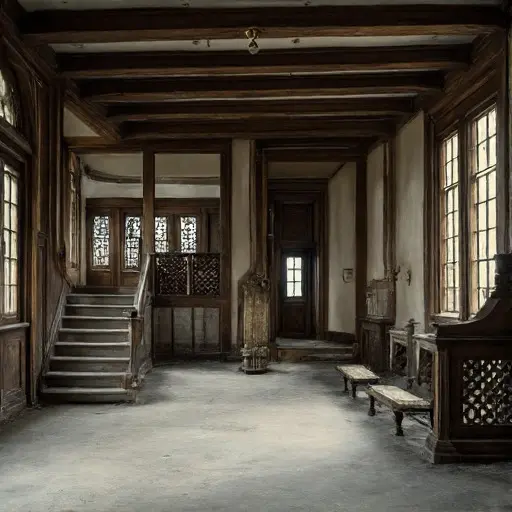
Ashcombe House was completed in 1897 for William Henry Ashcombe, born 1851 in Bath, a private banking trustee managing regional estate funds and agricultural loans. His wealth came from conservative investments in rural credit and land-backed securities during the steady expansion of county banking networks. The house was built as a permanent family residence rather than a statement of status, reflecting his preference for restraint and stability.
He lived there with his wife Margaret Ellison Ashcombe and their son Edward, who later studied accountancy in London before returning home to assist with family records and financial correspondence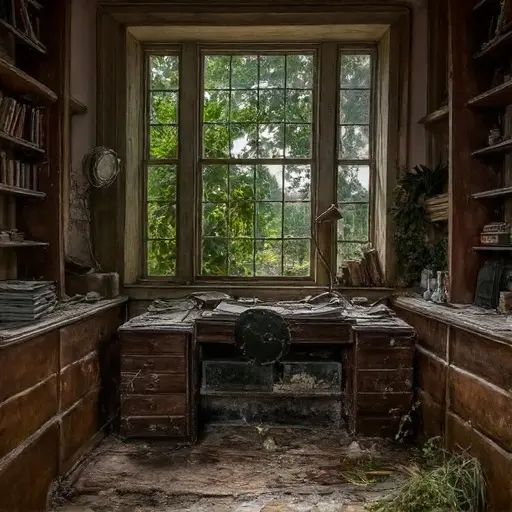
The decline began in 1909 when a series of agricultural loan defaults spread across Ashcombe’s regional portfolio following consecutive poor harvests and falling land values. Several estates under his trusteeship became insolvent, forcing him to cover shortfalls personally. As liabilities accumulated, correspondence shifted from routine accounting to formal legal demands. By 1911, portions of the family’s liquid assets were quietly sold through intermediaries, and Edward’s professional position was suspended pending audit review of trust irregularities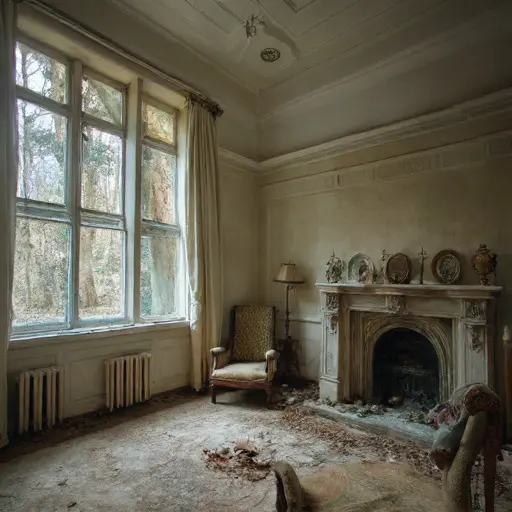
By 1914, William Ashcombe had relocated temporarily to London for legal mediation over outstanding obligations, leaving the house under minimal care. Margaret’s correspondence ceased shortly afterward, and Edward’s name appears only once more in a settlement notice involving unresolved trust accounts. The Ashcombe House remained fully furnished but unmanaged, its ledgers locked in the study and its greenhouse left to grow unchecked. No sale was completed, no family returned, and the property was recorded as vacant, standing intact but abandoned without resolution