The Silent Navarro House
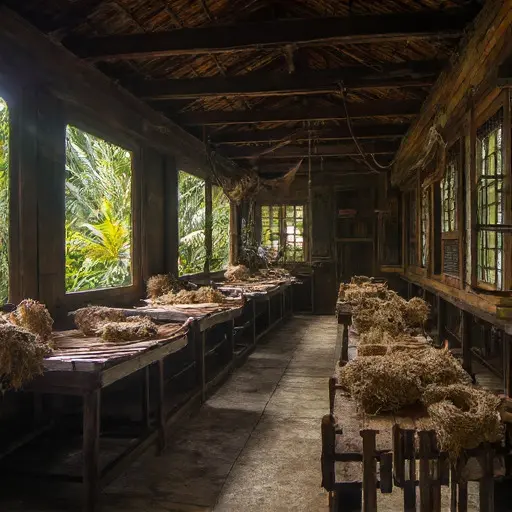
The Navarro House was constructed in 1900 near a coastal plantation district in the Philippines for Emilio Navarro (1865–1913), an abaca fiber grading examiner employed by maritime export companies to assess fiber durability, classify rope-making quality, and certify shipments of hemp used by naval fleets and commercial shipping lines across the Pacific.
The villa operated as both residence and inspection center, where Navarro and his assistants tested fiber strength, recorded moisture resistance, and maintained export ledgers used to regulate rope manufacturing contracts and shipping quotas. His household included his wife Isabela and his assistant Tomas Villareal, both responsible for maintaining grading records and shipment certifications.
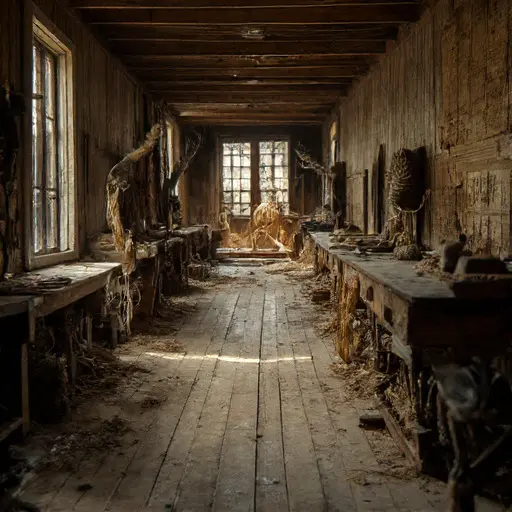
The decline began in 1908 when steel cable systems and industrial wire rigging rapidly replaced natural fiber rope in shipping and naval construction, causing demand for abaca exports to collapse across maritime markets.
At the same time, typhoon damage and plantation disease devastated large sections of regional hemp production, leaving grading houses without reliable harvests to process.
Export contracts disappeared. Storage warehouses emptied. The villa’s role in the maritime supply chain slowly faded away.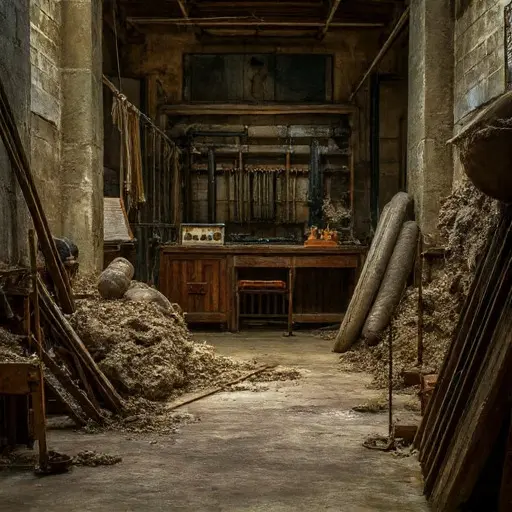
By 1913, Emilio Navarro formally abandoned the grading house after the final export syndicates dissolved and industrial shipping firms transitioned completely to steel rigging systems.
Inside the final shipment ledger, investigators found an unfinished durability report for a rope consignment that was never collected after the harbor warehouses closed.
The Navarro House remains abandoned beneath the tropical storms, its fibers rotting, its systems obsolete, and its rooms slowly disappearing into humidity, wood, and silence.