The Lost Vandenberg House
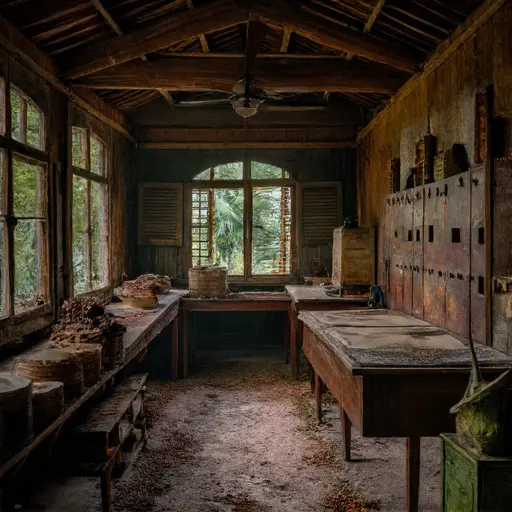
The Vandenberg House was constructed in 1901 on a remote island plantation route for Willem Vandenberg (1867–1913), a nutmeg export inspector employed by colonial spice syndicates to evaluate harvest quality, monitor fungal contamination, and certify shipments of nutmeg and mace destined for European pharmaceutical and culinary markets.
The villa served as both residence and inspection bureau, where Vandenberg and his assistants tested moisture levels, recorded shell density, and maintained export ledgers used to regulate pricing and shipping approvals across island spice ports. His household included his wife Clara and his assistant Rahmat Iskandar, both responsible for maintaining shipment records and quarantine documentation.
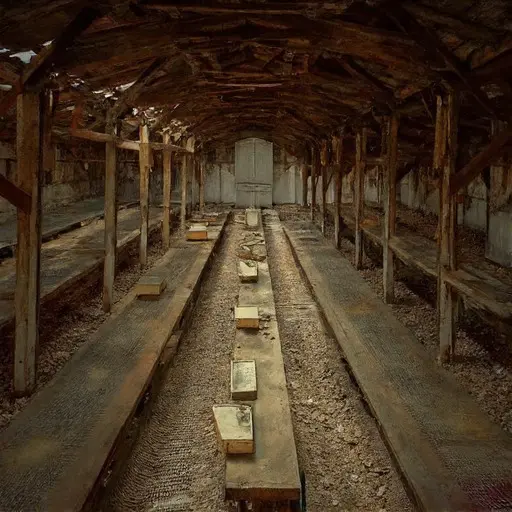
The collapse began in 1909 when aggressive plantation blight spread through island nutmeg groves, devastating harvest yields and contaminating large export reserves with mold and fungal rot.
At the same time, overseas buyers shifted toward chemically preserved spice powders produced in industrial factories, reducing reliance on fresh whole-nutmeg exports that required local inspection and quarantine systems.
Inspection contracts disappeared. Cargo docks emptied. The villa’s role in the spice trade slowly became irrelevant.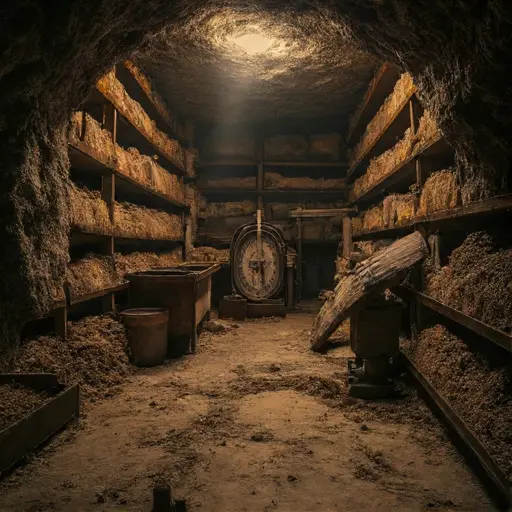
By 1913, Willem Vandenberg was formally dismissed following the closure of regional nutmeg inspection offices and the abandonment of the surrounding plantations after years of crop disease and collapsing export demand.
Inside the final quarantine ledger, investigators found an unfinished contamination report for a shipment that never reached the harbor before the trade network dissolved.
The Vandenberg House remains abandoned beneath the tropical canopy, its spice stores ruined, its systems forgotten, and its rooms slowly disappearing into rot, rain, and silence.