The Vanquished Delacroix House
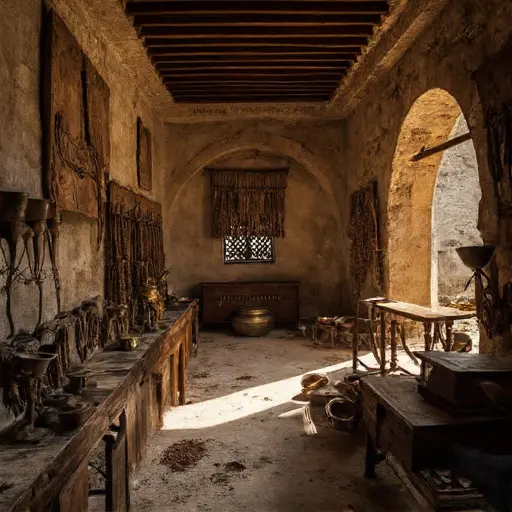
The Delacroix House was constructed in 1900 along a caravan junction in central Anatolia for Pierre Delacroix (1866–1912), a spice route inspector employed by imperial customs guilds and merchant syndicates to verify the purity, moisture content, and classification of traded spices moving between inland producers and Mediterranean export ports.
The villa functioned as both residence and inspection station, where Delacroix and his assistants tested aroma strength, recorded batch origin, and maintained tariff validation logs required for pricing and taxation of spice caravans crossing arid trade routes. His household included his wife Selma and his assistant Ahmed Karaca, both responsible for maintaining inspection ledgers and shipment certification records.
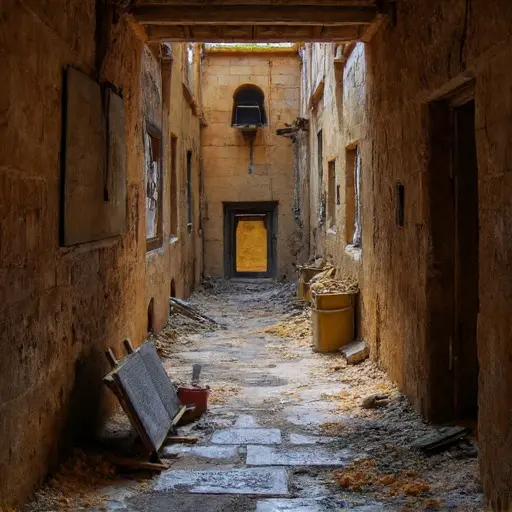
The turning point came in 1909 when rail-based freight expansion replaced caravan logistics across Anatolia, shifting all spice trade flows into centralized rail depots that no longer required regional inspection villas.
At the same time, standardized chemical preservatives and industrial processing reduced the need for traditional aroma and moisture testing, rendering independent spice inspectors obsolete.
Caravans stopped arriving. Spice samples ceased. The villa’s inspection authority quietly dissolved from trade networks.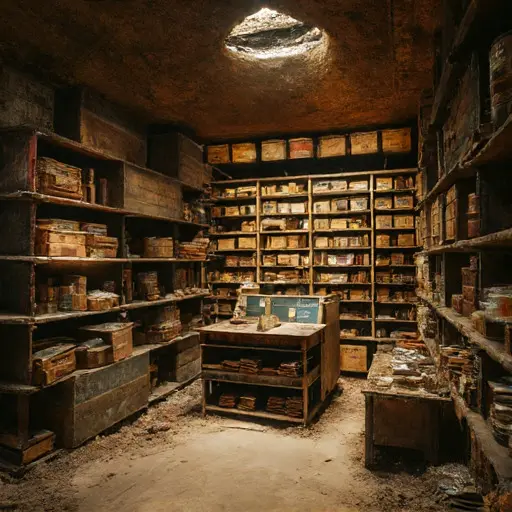
By 1912, Pierre Delacroix was formally removed from imperial customs service following the dissolution of caravan-based spice inspection offices and the full consolidation of rail-controlled trade administration.
Inside the final inspection ledger, investigators found an incomplete spice classification entry for a caravan that had already been rerouted into industrial processing before evaluation could be completed.
The Delacroix House remains abandoned at the edge of the old trade routes, its scents fading, its systems obsolete, and its rooms slowly dissolving into dust, spice, and silence.