The Vanishing Aguirre Villa: The Obscured Fall of a Botanical Empire
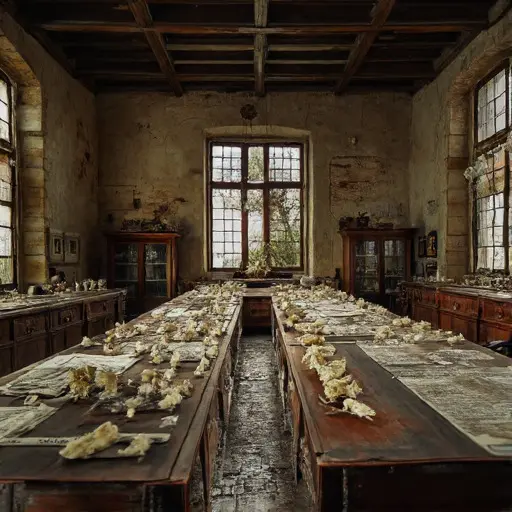
The Aguirre Villa was established in 1896 above a remote Andean valley for Dr. Mateo Aguirre (1864–1911), a colonial botanist employed by imperial pharmaceutical syndicates to catalog high-altitude medicinal flora. His fortune derived from quinine cultivation surveys and export licensing of rare plant specimens extracted from inland plantations and mountain forests.
Aguirre’s household included Lucía Aguirre and their nephew Esteban, both assisting in specimen preservation and correspondence with European botanical institutes. The villa functioned as both residence and research station, its rooms filled with drying racks, taxonomy sketches, and chemical extraction notes tied to imperial supply chains.
The turning point came in 1909 when an invasive fungal blight spread through quinine plantations across the high valleys, destroying years of cultivated research stock. Simultaneously, an academic audit revealed falsified specimen provenance in several export shipments, triggering withdrawal of imperial research funding and seizure of botanical licenses.
Supply chains collapsed as plantation partners abandoned the valley. Specimen shipments rotted in transit depots, while Aguirre’s field notes were marked for investigation and never returned.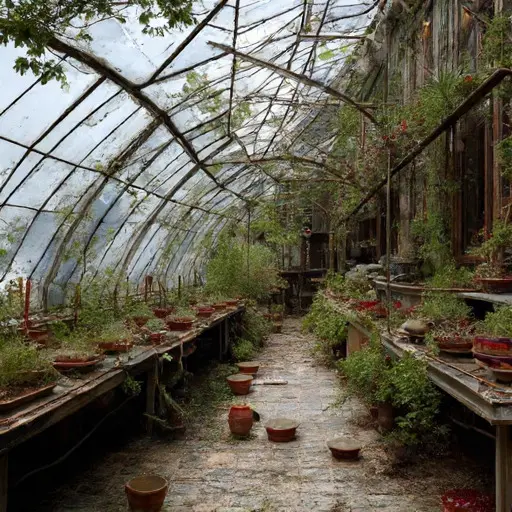
By 1911, Dr. Aguirre’s correspondence ceased entirely, and his research permissions were revoked by colonial authorities. He is recorded as deceased shortly thereafter, though no formal settlement of his estate was completed. Creditors and scientific institutions disputed ownership of remaining specimens and unpublished field data.
Inside the final herbarium drawer, inspectors found only unfinished classification sheets, their ink faded by moisture and altitude chill.
The Aguirre Villa remains abandoned in the mountains, its scientific purpose dissolved into silence, with no heirs, no restitution, and no resolution.