Predatory Hush Was Already Waiting Inside Zoya’s Cedar Lodge Before Anyone Locked the Door
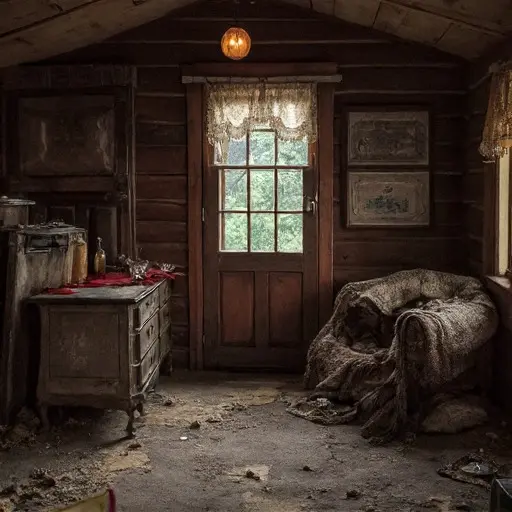
The bells were wrapped.
That detail bothered people more than the silence.
Dozens of tiny metal bells sat bundled in strips of faded cloth and stored inside shallow drawers as though sound itself had been packed away for winter.
Zoya wrapped them deliberately.
The cedar lodge stood above a valley trail and belonged to her for most of her life.
She lived there alone and worked in a profession that once mattered deeply to riders and caravan paths but vanished without ceremony.
Zoya was a saddle chime harmonist.
Her work revolved around tuning and arranging mounted bells used on horses, pack animals, and ceremonial tack. Different bell groupings carried practical and emotional purpose—guiding movement through fog, distinguishing caravans, calming livestock, and preserving regional sound identities tied to travel.
She composed recognition.
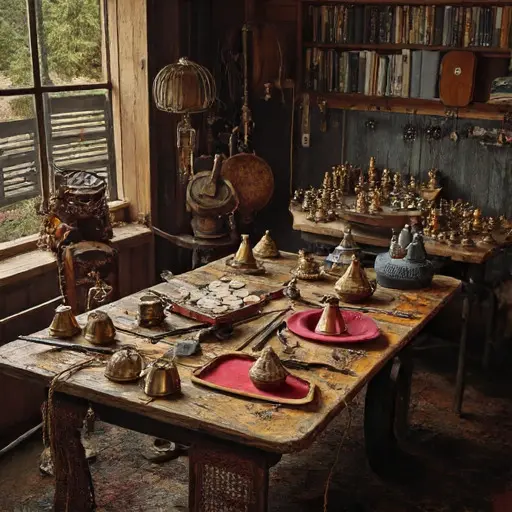
The upper studio still remembers her precision.
Leather templates remain pinned beside tuning forks. Velvet-lined trays rest beneath shelves carrying sorted bells marked by alloy, weather response, and trail use. Narrow strips of horsehair cord lie coiled beside unfinished harness fittings.
The room feels audible even in stillness.
Behind the Tarnished Bridle Recess
Zoya centered her work around the Tarnished Bridle Recess.
The shallow wall niche shielded delicate harmonics from cross-echo and held bells awaiting final pairing.
One unfinished arrangement still rests there.
The left sequence matched.
The answering tone missing.
Zoya learned through generations of mounted traders and animal keepers who treated bell sound as living knowledge rather than decoration.
Travelers remembered her by ear long before seeing the lodge.
For decades the work survived.
Mountain routes and ceremonial riders still relied on tuned bell language carried across valleys and forests.
Then transport quieted.
Motorized freight, paved roads, and mechanized logistics steadily displaced animal travel and erased the acoustic culture surrounding tack and mounted movement. Bells survived mostly as souvenirs stripped of meaning.
Zoya refused ornamental commissions.
She said untuned bells sounded lonely.
Still, she continued refining harmonies long after the caravans disappeared.
Then the predators vanished.
Large-scale predator removal and altered grazing management changed herd behavior throughout the surrounding highlands. Animals no longer moved or clustered the same way, reducing the practical need for identifying and calming bell systems developed over centuries.
The trails remained.
Their music thinned.
Already living with advanced Ménière’s disease and worsening balance disturbances, Zoya spent longer days inside the studio protecting her hearing and retuning old sets from memory.
One freezing morning she climbed into the loft above the recess searching for a missing paired bell referenced in an old ledger.
The ladder slipped against worn flooring.
By the time neighbors found her, she had died from injuries sustained in the fall.
The funeral gathered riders, breeders, and elderly herders carrying bells wrapped the same way Zoya had taught them.
Afterward, the lodge stayed closed.
The tuning forks remain beside the cords.
The drawers still hold wrapped bells.
And behind the Tarnished Bridle Recess, Zoya’s unfinished chime pairing continues waiting in silence—guarding a reply no trail ever carried back to her.