No One Reopened Hana’s Apartment After the Music Finally Stopped
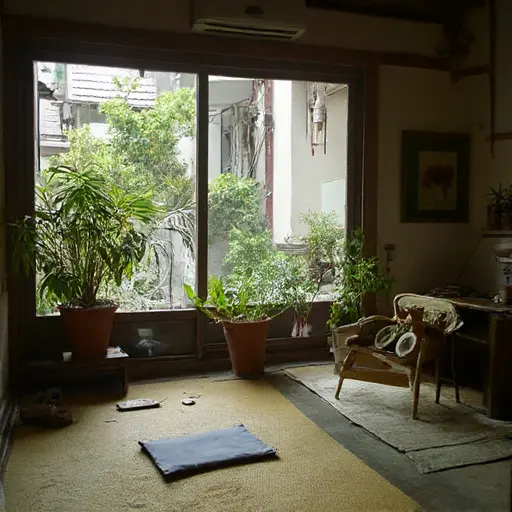
The apartment above the alley was once easy to find.
People followed the sound.
Not loud music—never that.
Only soft tuning notes, brief pauses, and the slow repetition of strings being adjusted late into the evening.
Then the sound disappeared.
Months passed before some neighbors realized they had stopped listening for it.
The apartment belonged to Hana Mori.
She spent nearly twenty years there working as a koto bridge sculptor, carving and shaping the delicate movable bridges used on traditional string instruments.
Her work required patience more than speed.
Tiny knives, polishing stones, and carved templates covered the workroom shelves. Each bridge needed careful balancing so the instrument carried the right tone beneath a musician’s hands.
The apartment itself remained modest.
A narrow corridor opened toward the workspace where unfinished bridges sat beneath hanging lamps and old recital programs remained tucked between books.
Beneath the Resonance Shelf
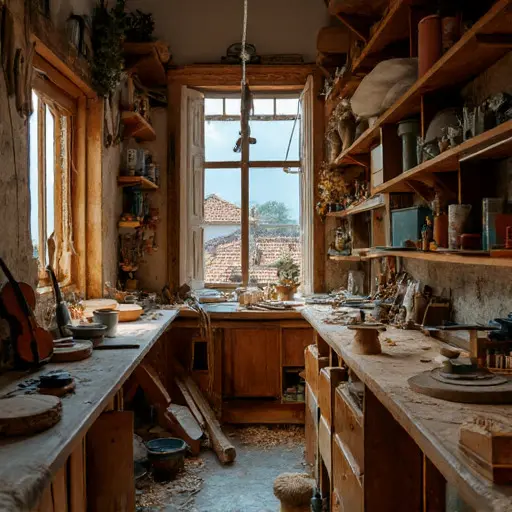
At the center of the room stood what Hana called the Resonance Shelf.
It held carefully wrapped wood blanks, tuning references, and bundles of correspondence exchanged with musicians she had worked with for years.
One bridge still rested there unfinished.
Hana lived alone following the death of her mother.
She rarely traveled and kept a predictable routine shaped around commissions, tea, and evening radio broadcasts.
Musicians continued visiting for years.
But the craft changed around her.
Factory-made instrument parts and overseas manufacturing steadily displaced the small workshops that once relied on handmade components. Music schools purchased cheaper replacements. Repairs became less common. Younger performers often never learned the difference.
Hana continued anyway.
Then the earthquake repairs began.
A prolonged period of structural reinforcement spread across nearby districts, filling the neighborhood with drilling, vibration, and months of disruption. Dust entered older buildings. Access became difficult. Hana, already managing worsening respiratory illness, struggled inside the increasingly unstable environment.
One winter evening she suffered severe complications at home and passed away before help arrived.
Her relatives handled the funeral but lived far away and delayed decisions about the apartment.
So it stayed closed.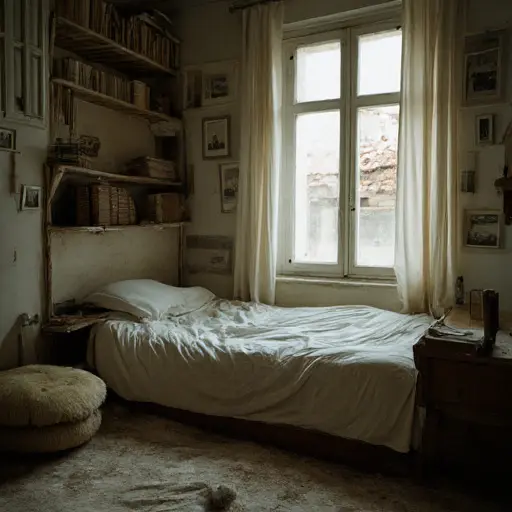
Years later, little has moved.
The wind chimes remain by the window.
The recital programs still lean against the shelf.
And beneath the Resonance Shelf, Hana’s final koto bridge remains unfinished—waiting in the exact place where the music stopped.