The £89,000 Adlerhof Villa — Unclaimed Time in a Forgotten Horology Room
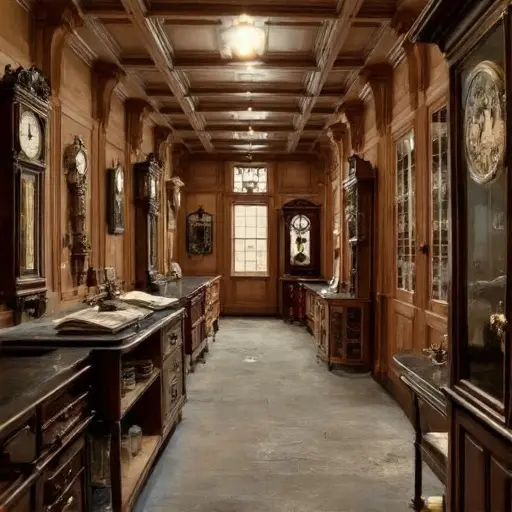
The horology room at Adlerhof Villa held a peculiar quiet, broken only by the imagined echo of ticking. Within these walls, £89,000 had been accumulated through precision instruments, commissions, and long-term contracts, their valuation once recalculated with obsessive care. Now the clocks disagreed silently, their stopped hands marking the end of routine rather than its passage.
Ernst Wilhelm Adler, Master Clockmaker
Ernst Wilhelm Adler, born 1853 in Bern, rose from apprenticeship to international regard as a master clockmaker. His education was practical and exacting, reinforced by years among guild workshops. Marriage to Elise Adler brought stability but no children. His life remains legible through objects: burnished tools worn smooth by repetition, a magnifying lens left hooked on a nail, a leather apron creased at the waist, and a notebook filled with tolerance measurements in a steady hand. Daily routines were strict—bench work at dawn, correspondence at noon, recalibration at dusk—suggesting a temperament disciplined, inward, and relentlessly precise.
Valuation Disputed and Time Withheld
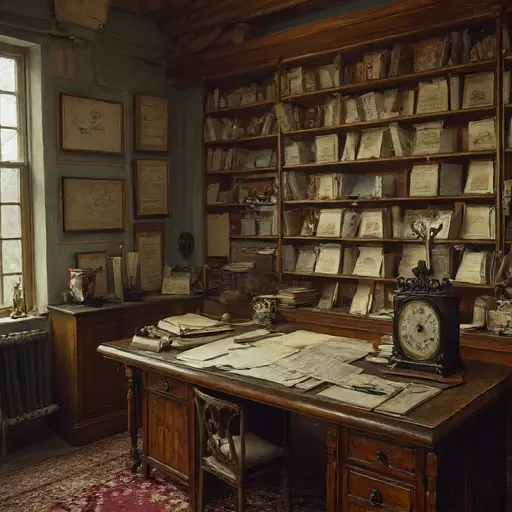
In 1910, a patent dispute over a marine chronometer design stalled Adler’s commissions. Legal filings consumed savings; clients withheld payment. The horology room shows the interruption: unfinished movements wrapped in cloth, invoices marked but unpaid, and a cabinet drawer forced open and left empty. Some watches were reclaimed by patrons; others remain undocumented. The precise valuation of completed and incomplete works was never resolved, suspended between claim and counterclaim.
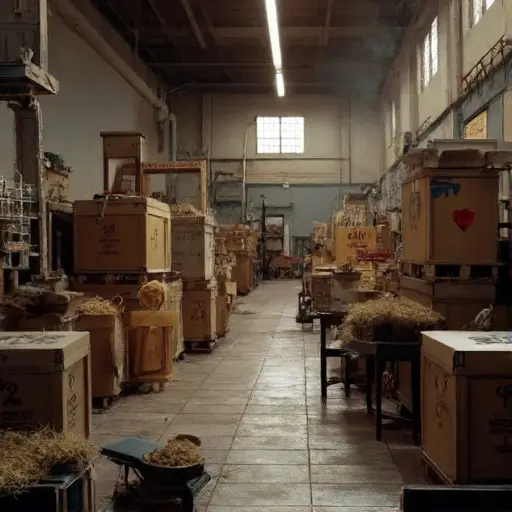
Under the workbench, a folded note reads: “Hold all until ruling.” No ruling arrived. Adlerhof Villa remains intact, its clocks unmoving, its accounts unsettled, and its wealth bound within timepieces that no longer mark the hours they were built to master.