The Hidden Atelier of Calderon’s Forgotten Paintings
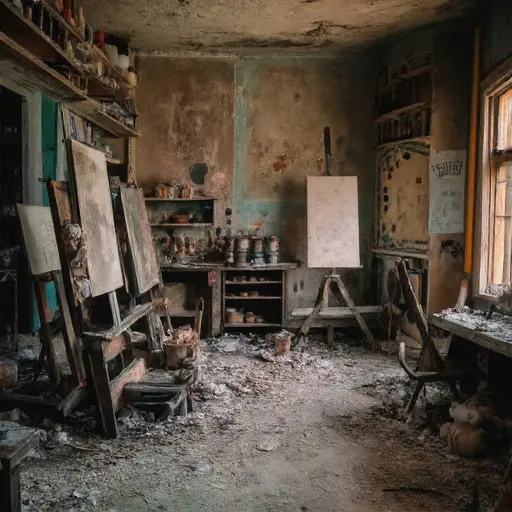
The atelier is still vibrant in memory but silent in reality: colors faded, oils cracked, unfinished portraits staring blankly. Light falls unevenly across the worn wooden floor, revealing smudged footprints in dust. Every table, stool, and corner carries the weight of interrupted practice, the echo of brushes lifted but never set down again.
Life of a Painter
The atelier belonged to Lorenzo Calderon, painter and portraitist, born 1882 in Barcelona, Spain. Educated in the fine arts at the Escola de la Llotja, Calderon came from a modest but cultured household; his mother, Isabel Calderon, encouraged early artistic pursuit. Daily routines included morning sketches of domestic scenes and afternoons at the easel. Temperament meticulous, introspective, and often irritable under pressure, he cataloged colors, layered oils, and maintained a strict order among canvases. Every stain on the floor and fleck of pigment captures fragments of ambition, discipline, and his obsessive creative rhythm.
Decline and Evidence
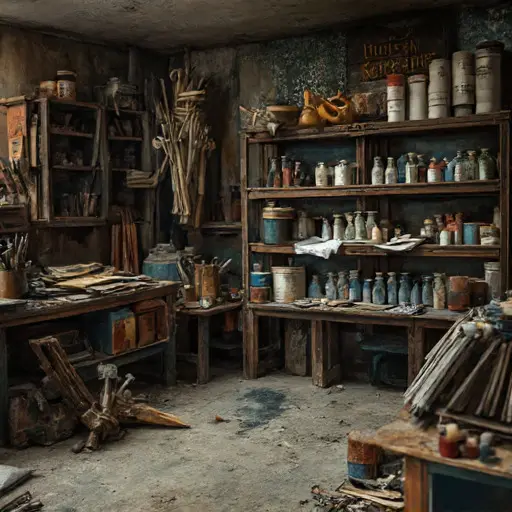
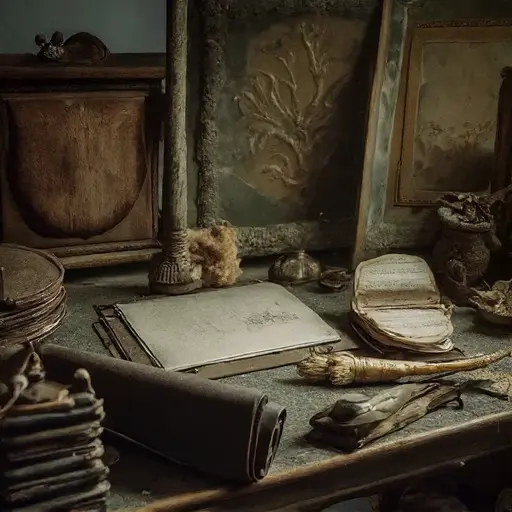
Calderon’s decline stemmed from deteriorating eyesight and severe migraines, which made color mixing unbearable. Canvases are abandoned mid-stroke, notes on technique and unfinished sketches left incomplete. Brushes dry in containers, pigment jars unsettled, and letters from patrons remain unopened. The atelier preserves these remnants, a testament to an abrupt cessation of creative labor and a life interrupted by failing health, leaving artistic ambition suspended indefinitely.
No explanation was ever recorded.
Lorenzo Calderon never returned to his atelier.
The house remains abandoned, atelier canvases unfinished, pigments cracked, and brushes dried. The atelier preserves the memory of a life devoted to painting, ended by physical decline, routines indefinitely suspended, leaving art incomplete, silent, and haunting in its absence.