The Silent Qureshi Smoking Room Where the Ember Went Out
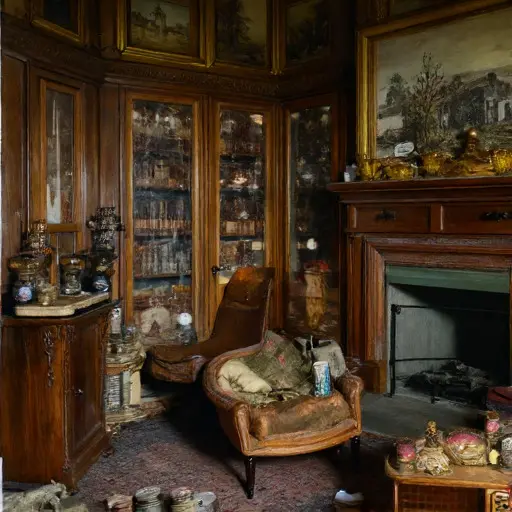
In the stillness of the smoking room, the faint scorch of an extinguished ember lingers above the rugs. Air moves only where cigar boxes sit ajar, releasing a dry sweetness. The curtains are drawn but not fastened, hinting at a hasty pause—nothing broken, only unsettled, as if someone stepped away expecting a brief return.
A Tradesman Drawn Between Two Worlds
Rashid Ahmed Qureshi, born 1873 in Lahore, fashioned custom pipe blends and carved meerschaum bowls sold to traveling officers. A satin pouch, stitched by his sister Nusrat, rests beside a ledger of orders noted in careful Urdu and English script. Rashid worked at dawn, sorting leaf by color, then carving bowls after noon tea. His modest class whispers through reused tins, each cleaned thoroughly, arranged with pride that came from skill rather than status.
Work Refined in Quiet Corners
A brass scale rests atop stacked cigar molds; beside it, a parchment with blend proportions. Rashid’s craft shows in the even grain of his carvings, the soft discoloration on his tampers, and the way his tools sit perfectly nested, indicating disciplined training and practiced patience.
Stress Gathered at the Edges
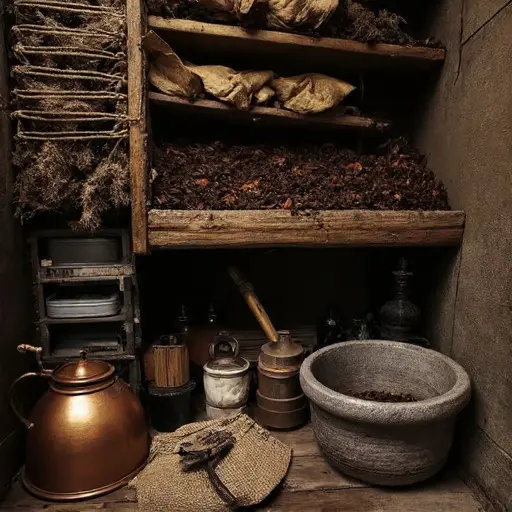
Among the cabinets lie torn customs forms suggesting Rashid faced an unexpected tariff claim. A returned payment slip, corner singed, is hidden beneath a brass tray. An unfinished pipe bowl bears knife marks sharper than his usual confident cuts. Silk cushions on the settee appear recently shifted, as if someone paced and sat repeatedly, struggling with unwelcome news.
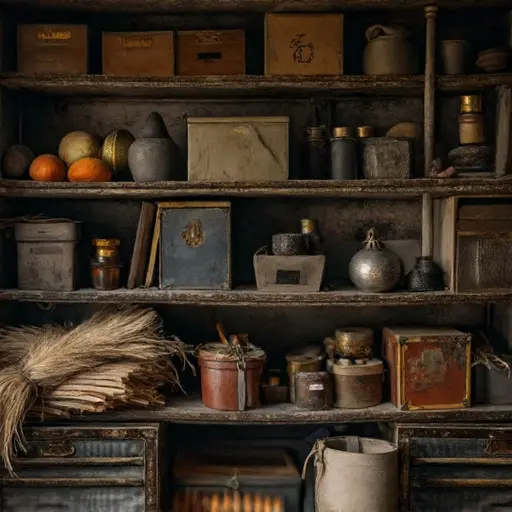
Returning to the smoking room, the final trace remains: Rashid’s favored meerschaum bowl placed upside down on the armchair, wax cooling in uneven drips. Whether he meant to mend it or leave it is lost in the quiet.
The house remains abandoned.