Eerie Nakamura Kimono-Room and the Sleeve That Shifted

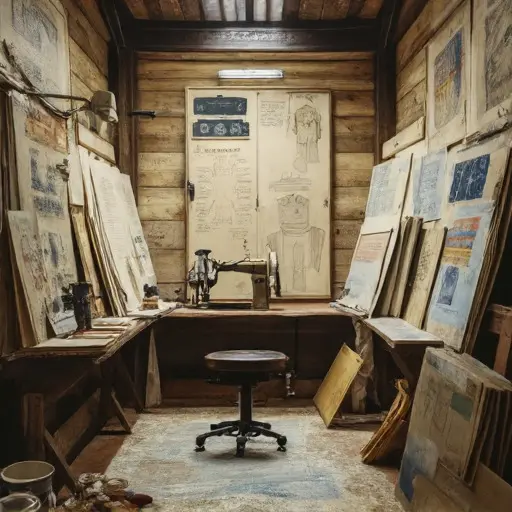
A tempered hush rests inside Nakamura House, thickening in the kimono-room where silk once murmured beneath steady tailoring strokes. Here Naoko Hanae Nakamura worked from dawn to lanternlight, shaping ceremonial garments for families across the district. Now the shifted sleeve marks a moment she never corrected, a slanted echo of unfinished care.
Even the faint scent of pressed silk seems suspended, as if the room holds its breath with her.
Drift in the Seamstress’s Rhythm
Naoko, seamstress, born 1879 in Kanazawa, learned kimono craft from her mother Chiyo Nakamura, whose embroidered fan lies atop a cedar chest. Her days followed strict order: pattern-cuts in the morning, sleeve-lining by midday, hand-stitching hems long after dusk cooled the room. Evidence of her habits lingers—silk cords wound with practiced tension, measuring tapes coiled neatly, and tailoring weights arranged in graduated pairs. Each tool evidences a rhythm she shaped through years of patient skill.
When Her Needle Lost Its Direction
Clients whispered that Naoko guided their daughters’ fittings with unusual haste, altering promised patterns. In the side cupboard, a box of thread is upended, crimson strands caught under the door. A shoulder lining lies half-basted, stitches wavering off-form. Chiyo’s fan bears a new crease where it was pressed too hard. A folded hem on a ceremonial robe hides an untrimmed thread that curls outward—an omission unthinkable in Naoko’s careful legacy. Even the tansu handles show slight smudges, as though touched by an unsteady hand.

Only the shifted sleeve remains, drifting where Naoko left it. Whatever choice unsettled her final night lingers in the room’s hushed folds, refusing clarity.
Nakamura House remains abandoned still.