The Gilded Burden of the Silver-Seam
The Silver-Seam, a sprawling, ornate Beaux-Arts mansion built in 1905, is defined by its massive scale, its white marble façade, and its excessive use of classical columns and pilasters. It was constructed as a brazen display of inherited wealth. To step inside is to be met by an immediate, oppressive coldness and a silence so profound it feels like a physical blanket.
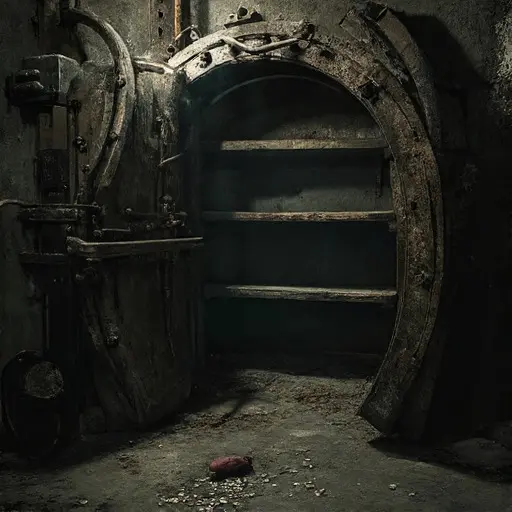
The most telling room is not a public one, but the heavily secured Vault, a subterranean space intended to hold the family’s portable fortune, which now stands empty—a perfect, gilded tomb for a wealth that ultimately became a curse.
The Obsessed Miser, Percival Sterling
The mansion was built for Percival Sterling (1860–1920), a man whose profession was simply hoarding and multiplying his enormous inherited fortune. He was a professional miser and investor, utterly obsessed with the physical security of his wealth. Socially, he was profoundly secretive and paranoid, believing that every person he met was trying to steal his money.
Percival married Adelaide Vance in 1890, a quiet woman who quickly found herself trapped by her husband’s paranoia. They had one child, a son named George. Percival’s personality was defined by his crippling fear of losing his assets; his daily routine revolved around obsessive checking of the locks and the contents of his Vault. His ambition was to die the richest man in the region; his greatest fear was that his wealth would be stolen, thus validating his suspicion of the outside world.
The Vault was his sanctuary, the only space where he felt truly safe. He spent hours there, counting and cataloging his assets, placing a massive, gilded physical burden on his son to inherit and protect this overwhelming fortune.
The Final Inventory in the Vault
The tragedy that caused the Silver-Seam to be abandoned was an internal psychological collapse triggered by the very wealth Percival sought to protect. George, the son, grew up entirely under the weight of his father’s paranoia, forced to participate in the nightly lock-checking rituals and the cataloging of assets. George developed a profound, crippling anxiety disorder rooted in the fear that he would fail to protect the burden of the Vault’s contents.
In 1920, Percival had a final, brutal confrontation with George. George, unable to cope with the mounting psychological stress and the gilded burden of his expected inheritance, finally snapped. He screamed at his father, declaring he would rather be penniless than live under the oppression of the Silver-Seam’s wealth.
The shock of the total rejection by his heir and the betrayal of his life’s purpose triggered a massive stroke in Percival. He collapsed inside the Vault, surrounded by the assets he loved, and died shortly after.
Before he died, Percival managed one final, desperate act: he wrote one last note on a small piece of parchment, his final inventory list, and clutched it in his hand.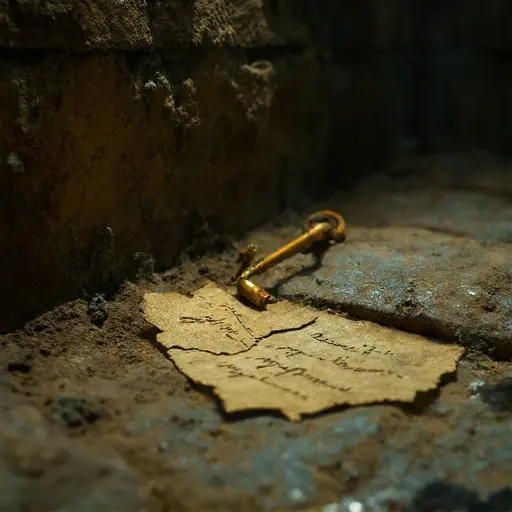
The Unused Toy in the Nursery
Adelaide Sterling, the wife, was left with a massive, unsaleable house and a son who was completely broken by the experience. George, inheriting the house and the remaining, enormous fortune, immediately liquidated every single asset he could find, determined to rid himself of the burden. He did not use the money for himself; he donated it anonymously to various charities, ensuring the entire estate was left financially worthless.
George then walked out of the Silver-Seam in 1921, taking only his mother, and never returned. He refused to pay any taxes or upkeep, ensuring the house—the monument to his father’s destructive wealth—would quickly fall into tax delinquency and public obscurity.
In the unused Nursery on the third floor, one final, heart-breaking detail remains. It is a small, heavy, gilded brass soldier, a toy Percival had purchased for George’s fifth birthday but never gave him, deeming it too valuable to risk losing.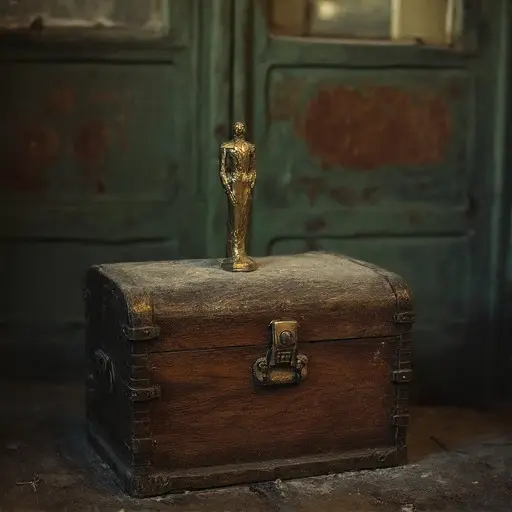
The Silver-Seam remains today, its marble façade stained and its great rooms empty. Its ultimate silence is the cold, physical fact of the gilded burden—a massive fortune that destroyed the family before it could be spent, leaving the house to mourn its master’s final, avaricious defeat.