Blight-Hollow: The Chef’s Final, Forbidden Feast
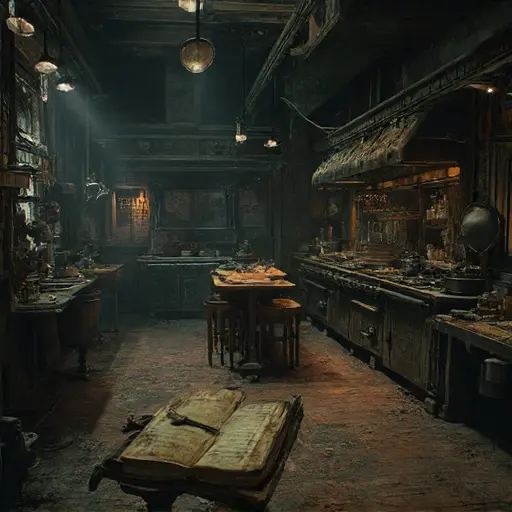
The moment the kitchen service door to Blight-Hollow was pried open, the air that rushed out was cold and overwhelmingly flavored with the dry, potent scent of old herbs, burnt sugar, and a deep, unsettling metallic aroma. The name, suggestive of decay and emptiness, perfectly captured the manor’s condition. This abandoned Victorian house felt preserved by its own peculiar atmosphere, its silence tasting of regret and intense, furious labor. It was a space designed for relentless creation, now devoted to absolute emptiness.
The sole inhabitant who gave the manor its unique flavor was Chef Anton Dubois, a French-immigrant private chef renowned in the Victorian era for his avant-garde, almost aggressive culinary style. Dubois was a culinary perfectionist whose entire life revolved around the precise execution of flavor. He served no one but the wealthy, reclusive family who owned Blight-Hollow, and his dedication became his curse. After the family vanished, he stayed, refusing to leave the magnificent kitchen that was his kingdom. His personality was fiery, volatile, and consumed by the pursuit of a single, perfect, ultimate dish that he believed contained every possible human flavor.
The Larder of Secrets
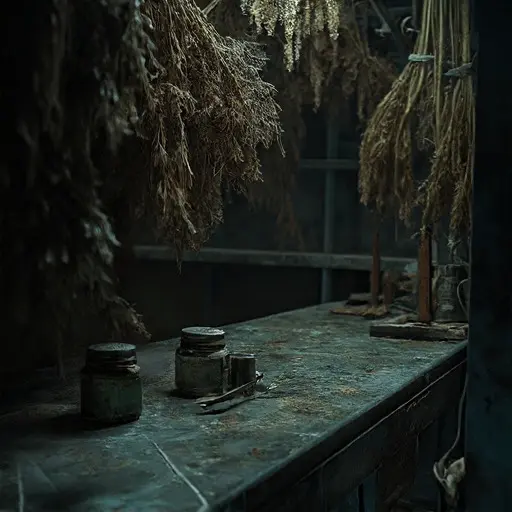
Chef Dubois’s obsession culminated in the manor’s massive, stone-lined larder. While it once stored game and wine, it became his laboratory for the “ultimate flavor.” His private journals, tucked into a sack of dried beans, showed a descent from classical recipes to philosophical, dangerous pursuits. He was no longer trying to please a palate, but to transcend taste, believing that the “perfect” dish required essences beyond the edible. “The true flavor of sorrow is not salt, it is… metallic. It is sharp and final. I must incorporate the final ingredient,” he wrote.
The house preserves his furious energy. The kitchen counters are heavily scarred, and the knives, though dusty, feel unnervingly sharp to the touch. The atmosphere is charged with the ghost of heat and motion.
The Final Service in the Abandoned Victorian House
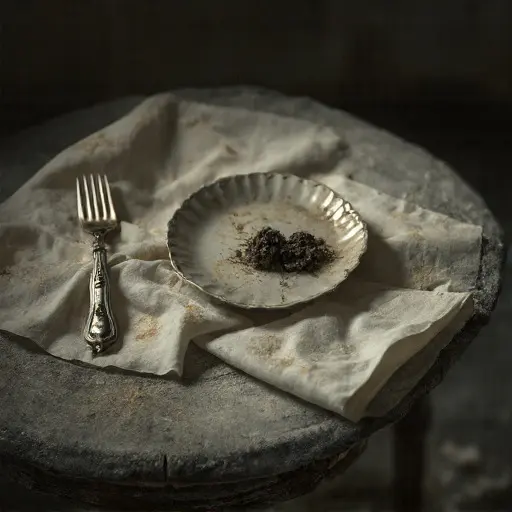
Chef Dubois’s end was as dramatic and inexplicable as his food. The manor’s housekeeper, returning after a brief absence, found the kitchen immaculate, save for one place setting on a small service table. On the plate was a single, dark, perfectly formed bite of food. The Chef himself was gone. His white apron was neatly folded on his stool, but a single, heavy rolling pin lay abandoned near the stove, scarred and stained.
The abandoned Victorian house is marked by his final act. The last service setting remains, the morsel on the plate defying decay. The house smells not of rot, but of a flavor that is forbidden—a cold, metallic note beneath the sweet smell of the decay, suggesting the Chef finally achieved his final, ultimate flavor, and in doing so, removed himself from the menu forever.