Glimmer Moor: The Lost Dossier of the Census Recorder
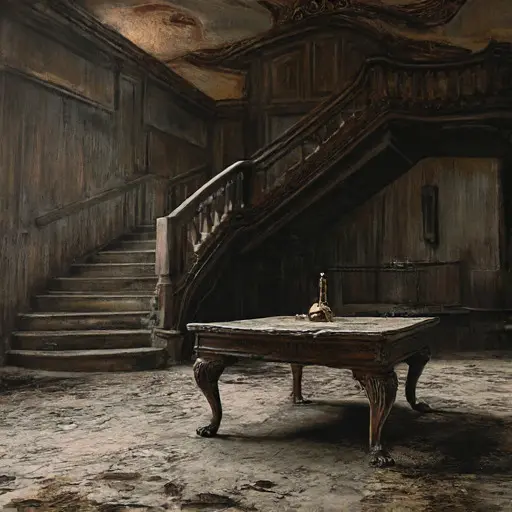
Glimmer Moor, a remote estate in a sparsely populated district, was a crucial waypoint for the administrative machinery of the era, particularly for the work of Mr. Frederick Hayes, the regional Census Recorder from 1878 to 1891. Frederick’s life was dedicated to the factual rendering of human lives and demographics, a task requiring meticulous travel and absolute accuracy. His office, a small, chilly room off the main library, was filled with the residue of his official duties. Along one wall, a custom-built cabinet contained dozens of narrow, labelled compartments, intended for the collation and storage of completed census forms. All compartments were empty, save for a few loose fragments of official green tape and the lingering scent of official ink. The absence of the actual data, the core of his profession, created a profound sense of something Lost—an entire catalog of local lives gone missing.
The Recorder’s Private Notes
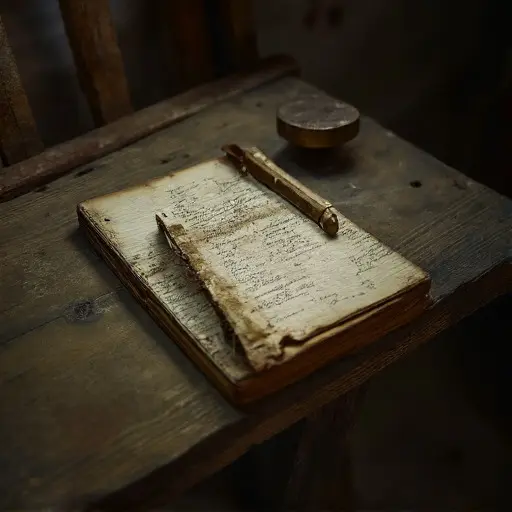
Frederick Hayes’s private notebook, found tucked into the portable field desk, did not contain demographic data, but highly specific, coded references to discrepancies he observed while recording the 1891 census. His notes detailed repeated instances of ‘missing persons’—individuals listed in previous censuses but whose residences were now reported as empty or whose families gave vague, often contradictory, accounts of their relocation. The notes grew increasingly obsessive, culminating in a detailed, hand-drawn map of the local region where specific clusters of these Lost disappearances were marked with small, red crosses. The final, chronological entry, dated March 1891, was a single, worried sentence: “The number is not random. The data is compromised, and the truth is Lost.”
The Final Forms
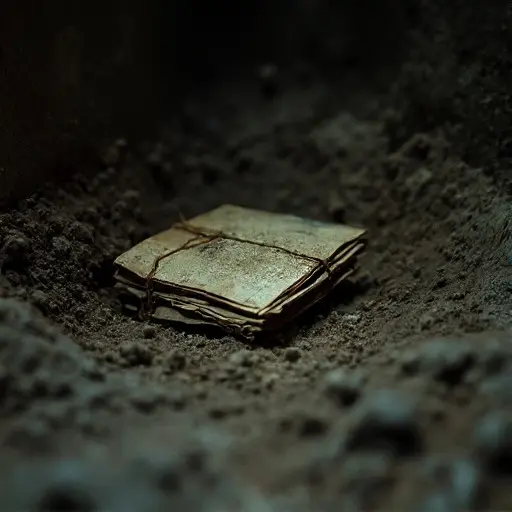
The physical evidence of Frederick Hayes’s ultimate discovery was found beneath a section of loose floorboard in his office. Hidden there was a small stack of the actual 1891 census forms—the very data missing from his archival cabinet. These were not random forms; they were the specific ones corresponding to the homes he had marked on his private map. However, the names and data recorded on the forms were clearly fictitious, filled out in the same hand, contradicting the previous census data he had noted in his book. Frederick Hayes had found that official records were being fraudulently completed to conceal a substantial, organized series of disappearances in the Glimmer Moor area. Tucked inside the stack was a single, large folded sheet of paper—a signed, sworn affidavit detailing his findings and suspicions, addressed to the County Registrar but never dispatched. Frederick Hayes was not a victim of circumstance; he was an investigator who went too far, vanishing after he secured the only existing proof of a Lost community, leaving the documents behind as a silent, Lost testimony to a fabricated reality.
Would you like me to generate the Next article following the strict guidelines?