Hearth’s End: The Shadowed Life of the Service Cook
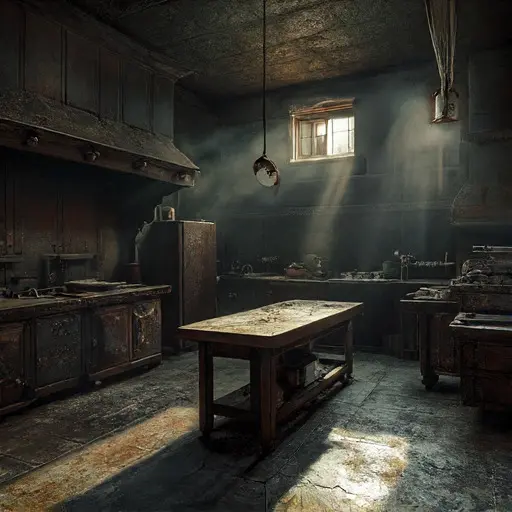
Hearth’s End, a manor defined by its demanding social calendar, relied entirely on the kitchen domain of Mrs. Agnes Croft, the Service Cook from 1885 to 1908. Agnes’s life was one of heat, relentless timing, and physical exhaustion, a role that kept her constantly working in the Shadowed regions of the house, invisible to the family she served. Her small, spartan living quarters, located in the scullery annex, contained nothing personal save for a simple wooden cot and a small, sturdy trunk. The kitchen itself, however, was her truest archive. A massive pantry, built into the coldest corner of the basement, still held hundreds of empty, labelled ceramic storage jars—Bay Leaves, Mustard Powder, White Pepper—their precise labels a testament to Agnes’s professionalism. The final, crucial evidence of her time was not in the formal dining room, but in the humble scullery where she worked alone.
The Cook’s Tally Book
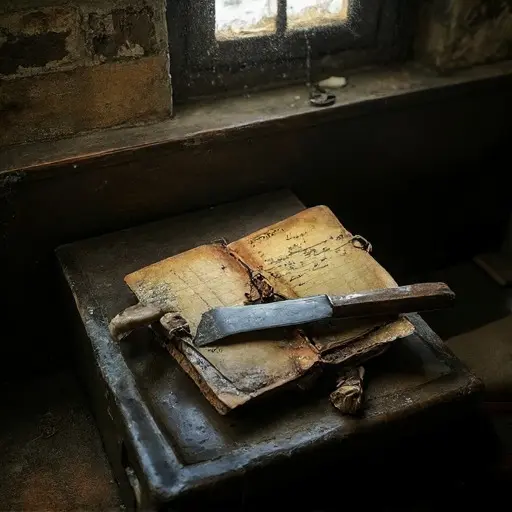
Agnes Croft’s tally book, recovered from a high shelf in the scullery, contained more than just recipes and provisioning lists; it was a precise record of the caloric intake, dietary preferences, and resulting illness of every manor occupant, family and staff alike. From 1905 onward, the tallies became darker. She began documenting not meals served, but meals rejected and food waste returned, often noting which staff member had touched which plate. The final year, 1908, contained an alarming series of notes detailing severe gastric illness among the junior staff, all attributed to specific, cheap provisions she was increasingly forced to purchase due to budget cuts. The final entry, dated August 1908, was stark: “The meat is turned. Refused to serve it. Must leave before they accuse the Shadowed hands.”
The Scullery’s Final Cache
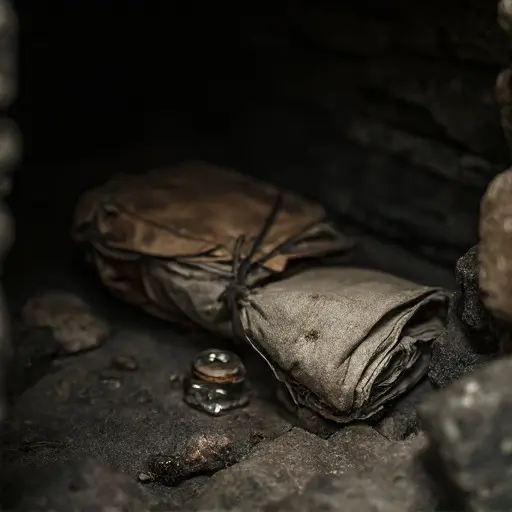
Agnes Croft’s departure was not documented in any official manor records. The only evidence of her final decision was found in the deep recess of the scullery hearth, a place where heat and darkness met. The hidden cache contained the Bible and her apron, representing her faith and her profession, but the most significant item was the glass vial. The contents were identified as a specific, highly toxic nightshade berry, not a common seasoning, but a powerful poison. Tucked beneath the vial was a single, folded note, not a letter, but a final, personal reflection: “They thought I could not see what the Shadowed tables ate. I saw.” The evidence strongly suggests Agnes, fearing accusation after refusing to serve spoiled food and potentially aware of an intentional attempt to poison staff, chose immediate flight rather than becoming complicit or a victim. She walked out of Hearth’s End and the overwhelming heat of her Shadowed kitchen for the last time, taking only her knowledge and her fear.
Would you like me to generate the Next article following the strict guidelines?