Behind the Hushed Walls of Enderby Croft: The Registered Midwife’s Private Burden
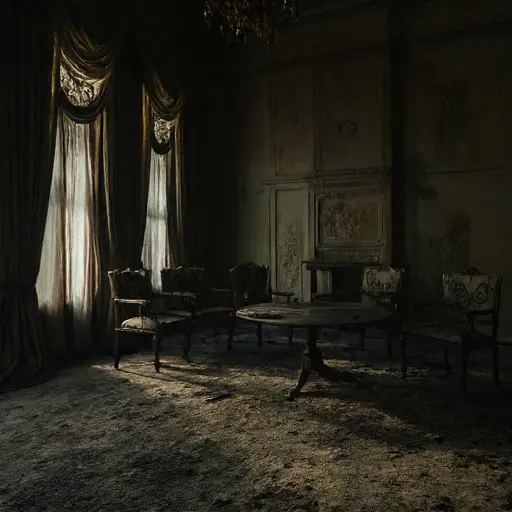
Enderby Croft was a spacious, well-maintained house in the market town, serving as both a residence and a base for Mrs. Sybil Marsh, a highly respected registered midwife who attended births across the county from 1899 until her death. Marsh was a crucial figure in the community, recording every birth she assisted. She passed away in 1923 from complications of pneumonia caught during a late-night call. Her adult daughter, grieving and overwhelmed, sealed the house immediately and moved away, intending to return but never doing so, leaving the home a time capsule of practical, professional life.
The Sterilization Room’s Unspoken Toll

The back scullery, a room of plain white tiles and scrubbed wood, had been converted by Mrs. Marsh into a sterile workspace. The atmosphere here felt notably cleaner than the rest of the house, retaining a faint, clinical scent of carbolic acid and boiled linen, fighting against the underlying dampness. A heavy, iron-plated copper boiler, once used for sterilizing instruments and linens, was fixed to the wall, its exterior coated in flaking rust, its brass valves seized shut. On a small, sturdy table, used for packing her traveling bag, lay a collection of small, sealed glass vials, each containing a tiny, hand-written identification tag—a small, silent archive of blood or tissue samples, kept for unknown personal study or future reference. The tiles on the floor near the boiler were noticeably cracked and heavily stained, testament to the immense, repetitive heat and moisture the room had endured.
The Hidden Register of Difficulties

Marsh’s most revealing professional record was found tucked into the lining of her heavy, leather delivery bag, which sat abandoned in a storage closet. It was not her official logbook, but a small, plain vellum-bound register she kept privately. This book documented every case that resulted in a tragic outcome—stillbirths, mothers lost to fever, and serious complications—all marked with a single, coded symbol for the outcome, followed by a brief, agonizingly brief personal reflection on the circumstances and her feeling of professional failure or helplessness. The book was a confidential repository of personal grief and professional burden, documenting the hidden cost of her dedication. The pages were thin and fragile, creased and worn from constant, private handling, suggesting a document she revisited often in the quiet hours.