Thornwyre Grange: Eerie Echoes of an Abandoned Victorian Mansion
The House That Watches
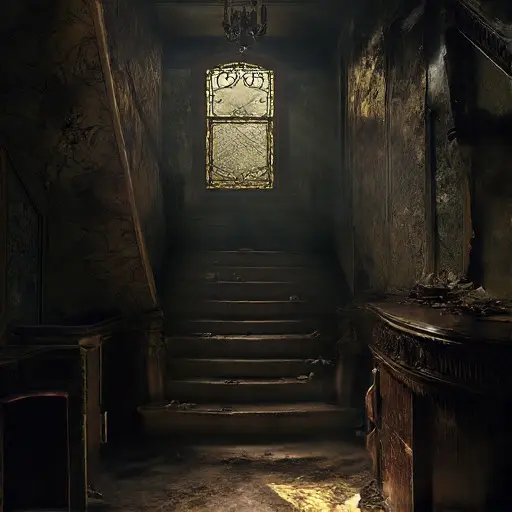
Mist drifts low across the porch of Thornwyre Grange, its blue-trimmed arches sinking into the gloom like a memory trying to surface. Step inside the abandoned Victorian mansion, and the air shifts—cool, observant, threaded with the faint scent of cedar and wilted roses. Dusty sunbeams slice across the hall, illuminating motes that drift like wandering spirits. The silence is layered, textured, almost purposeful, as though the very walls are waiting for someone to ask what they have witnessed.
Every floorboard murmurs underfoot. Every corner feels aware. And somewhere deeper within, a quiet ticking persists—soft, steady, and impossibly precise.
The Clockmaker’s Quiet Obsession
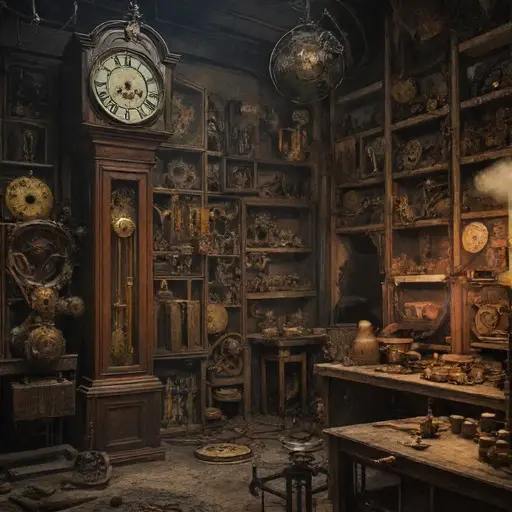
The Grange once belonged to Elias Morrick, a reclusive clockmaker whose brilliance bordered on obsession. His unmatched craftsmanship earned whispers of genius, though few ever saw the inner workings of his workshop. Here, drafts clutter the walls—ink-lined diagrams of towers, automata, and intricate escapements. Tiny screws lie scattered as though dropped in haste, yet everything else remains unnervingly deliberate.
Elias was said to believe that time itself could be persuaded, coaxed, even corrected. Neighbors heard strange whirring late into the night. Guests reported feeling watched, not by Elias, but by the countless clock faces staring from every mantel and shelf.
When he vanished one winter, the mansion stilled—but the faint ticking never stopped.
Rooms Where Memory Lingers
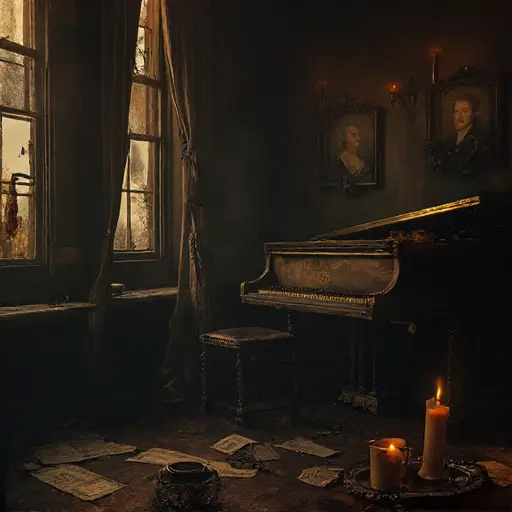
In the parlor, portraits tilt slightly, capturing the Clockmaker’s family with unsettling warmth. Rumor says the smallest child, a prodigy at sketching mechanical creatures, left behind journals filled with inventions no one could replicate. Her drawings, brittle and yellowed, still sit beneath the piano bench—lines trembling with ideas that never reached completion.
A housemaid once claimed she saw Elias speaking to the gears of an unfinished clock as if coaxing them into confession. Another insisted the mansion’s chiming at night followed no earthly rhythm.
Even now, Thornwyre Grange seems to pulse with unspent intention. The ticking deepens near locked doors. Drafts carry metallic whispers. At dusk, shadows align in patterns that feel too deliberate.
And somewhere within these dim rooms, the house remembers the man who tried to master time—while time, in its quiet way, mastered him.
