Thornhaven Mire: A Forgotten Victorian Mystery
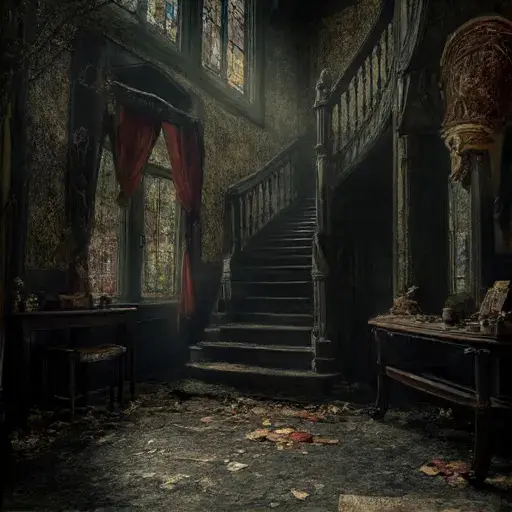
The abandoned Victorian mansion known as Thornhaven Mire rises like a memory refusing to fade. Stepping inside feels like crossing a threshold into someone else’s dream—one stitched together by dust, silence, and the faintest scent of decayed cedar. The air hums softly, almost aware, as if the house recognizes the echo of footsteps after so many years. Light pours through broken stained glass in fractured colors, brushing across warped floorboards and furniture draped in sheets like forgotten ghosts. Every surface seems to observe, to listen, to remember.
The mansion’s heartbeat belongs to Elias Redmoor, a once-reclusive botanical illustrator known for sketches that captured the delicate sorrow in dying petals. Elias lived here alone after the passing of his wife, and his quiet grief seeped into the walls like ink into paper. People in town remembered him as gentle but withdrawn, a man who spoke more to his canvases than to neighbors. Thornhaven Mire was his sanctuary—its rooms filled with unfinished drawings, dried flowers, and secrets that never reached the world outside.
Echoes in the Conservatory
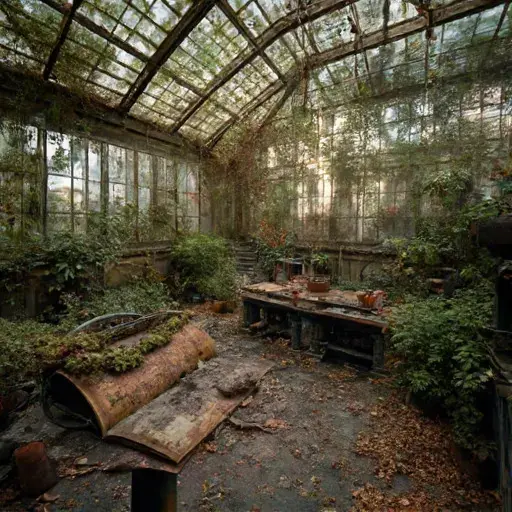
Elias spent most of his days in the conservatory, sketching the fragile life he cultivated despite the creeping decay. His final drawings—scattered across stone tables—show flowers bent toward light that no longer exists. Locals whispered that he believed this room still held his wife’s presence, lingering in the faint rustle of leaves and shifting warmth of dying sunlight. The conservatory feels paused in grief, as though it breathes in slow, wistful sighs.
The Room That Waited
Elias’s study carries the stillness of a moment interrupted. His journal—left open—reveals the final line: “She never really left the house.” After his disappearance, no one dared search for more answers. The house simply folded his silence into its own.
Thornhaven Mire remains—watching, remembering, waiting.